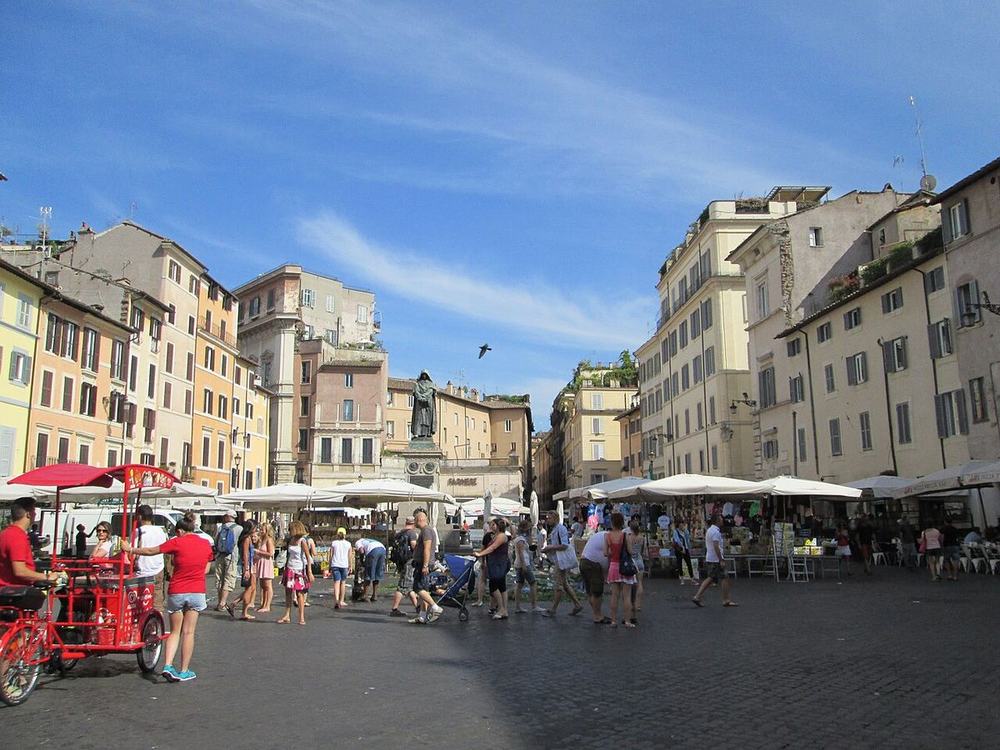
Turismo Roma, the city’s tourist board, calls the area around the Pantheon, Piazza Navona and Campo de’ Fiori the historic centre of Rome, and “the most famous and frequented” part of the city.
Best for first-timers who want to walk out of the door into old Rome · short stays
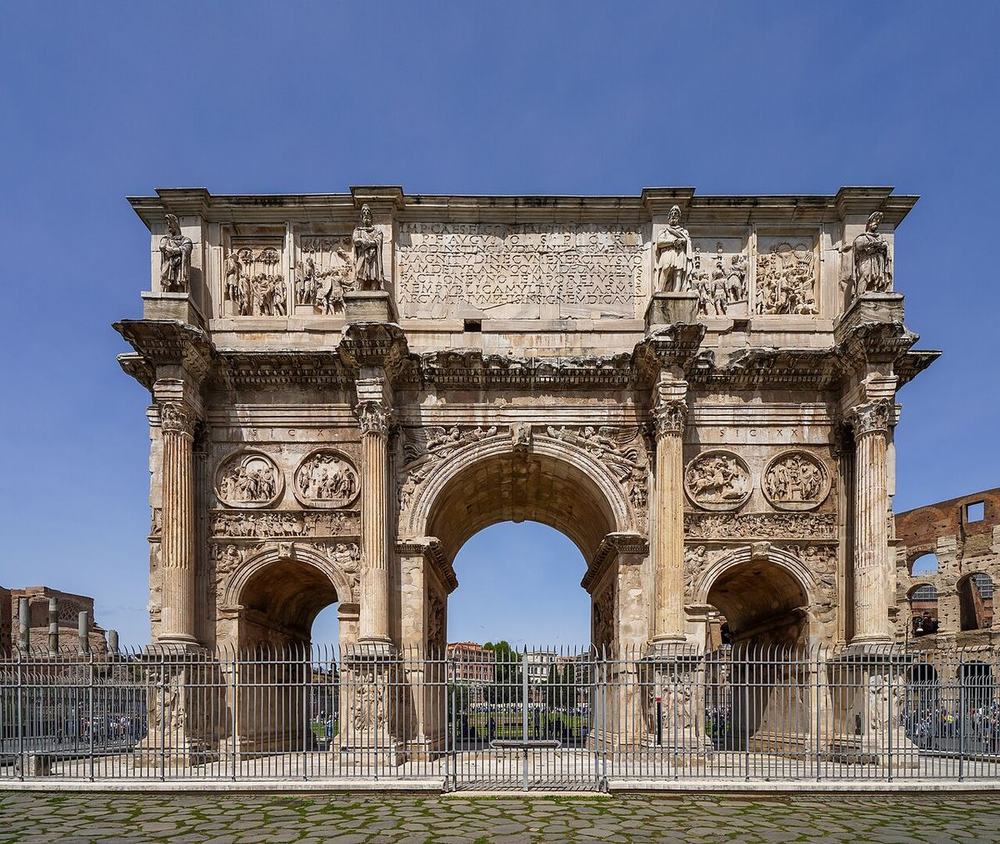
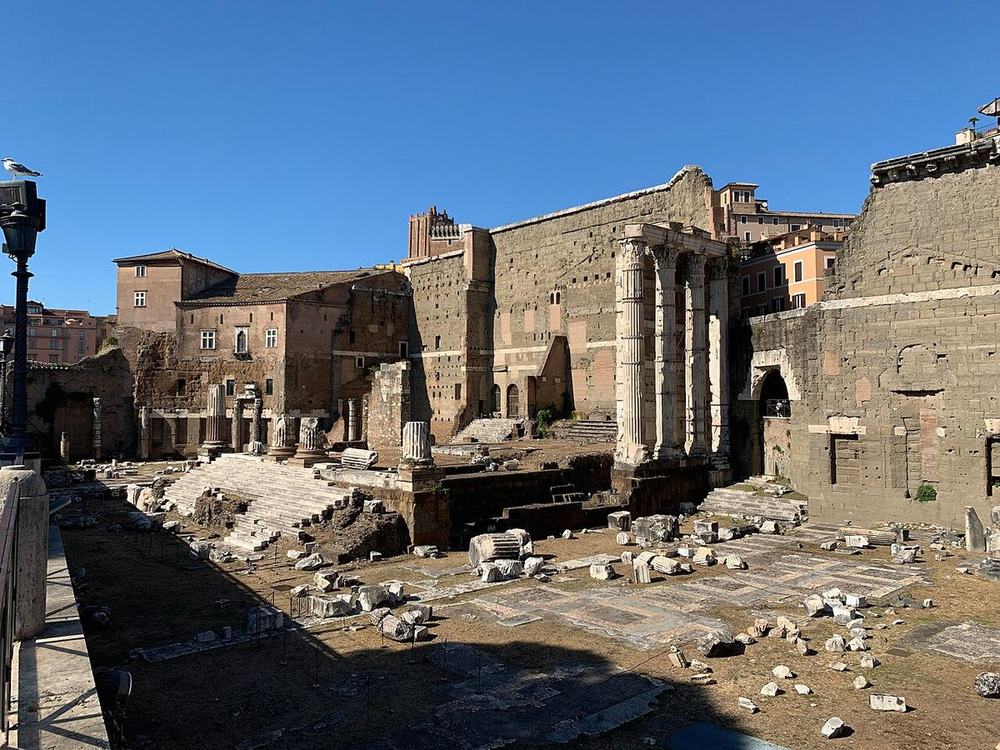
Monti runs down to Via dei Fori Imperiali and Piazza del Colosseo, with the Imperial Forums along its edge. Turismo Roma calls it “bohemian and lively”: a maze of streets with restaurants, wine bars, art galleries and vintage shops, popular with Romans and visitors alike, and one of the city’s nightlife spots.
Best for a first trip built around ancient Rome · arrivals by train who’d like to walk from Termini · anyone who wants wine bars and restaurants close by
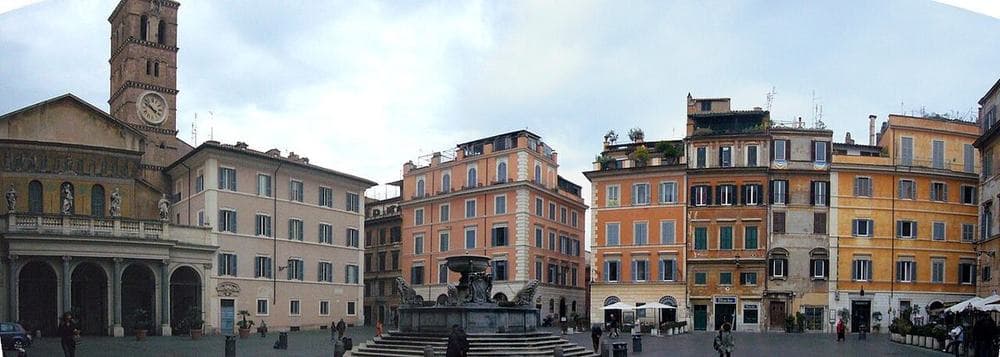
Trastevere is on the right (west) bank of the Tiber, and it’s Rome’s largest rione, or historic district. Turismo Roma describes its alleys, squares and “numerous trattorias and taverns offering traditional Roman recipes”, and calls it one of the most famous places for a night out, full of young people every evening, in its bars and in squares such as Piazza Santa Maria in Trastevere and Piazza Trilussa.
Best for trips built around food · evenings out · arrivals on the FL1 from Fiumicino
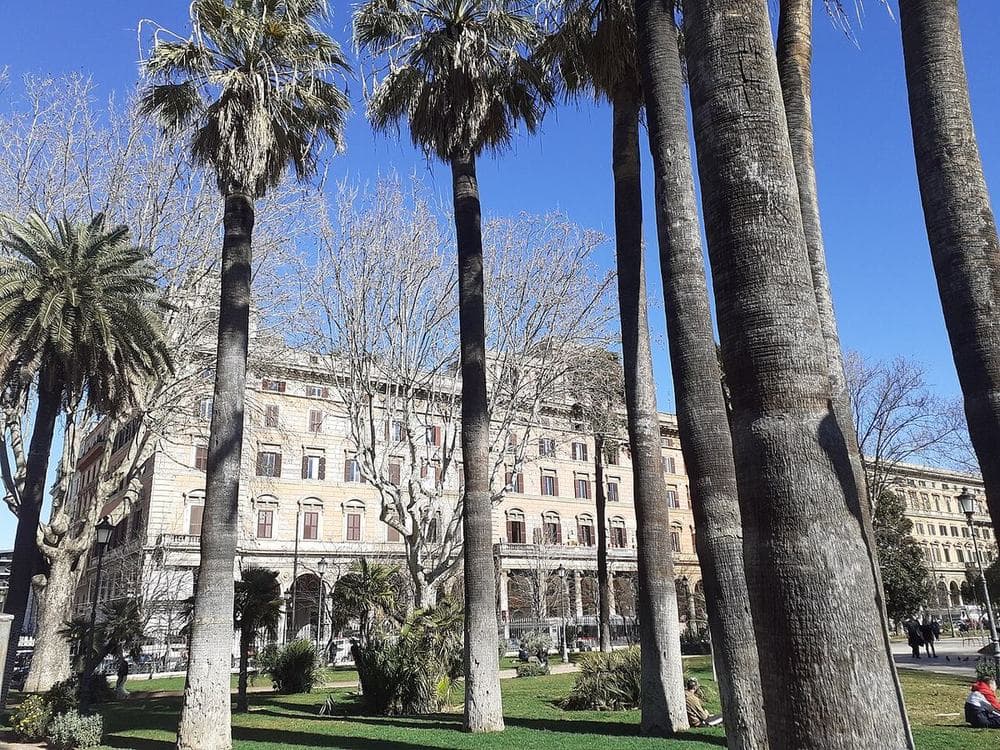
Prati is on the right bank, “a few steps from the Vatican and St. Peter’s Basilica”. It’s the 22nd and last of Rome’s rioni, created in 1921, and the only one outside the old city walls.
Best for trips built around the Vatican · anyone who’d rather sleep away from the nightlife · shoppers
Termini, Italy’s largest railway station, is in the Esquilino. Turismo Roma calls the district one of the city’s “entry gates” and “the most multicultural district of the city”, for its many international restaurants and food shops, and its centre, Piazza Vittorio Emanuele II, the largest square in Rome.
Best for early trains and late arrivals · day trips by rail · anyone who wants the airport one train away
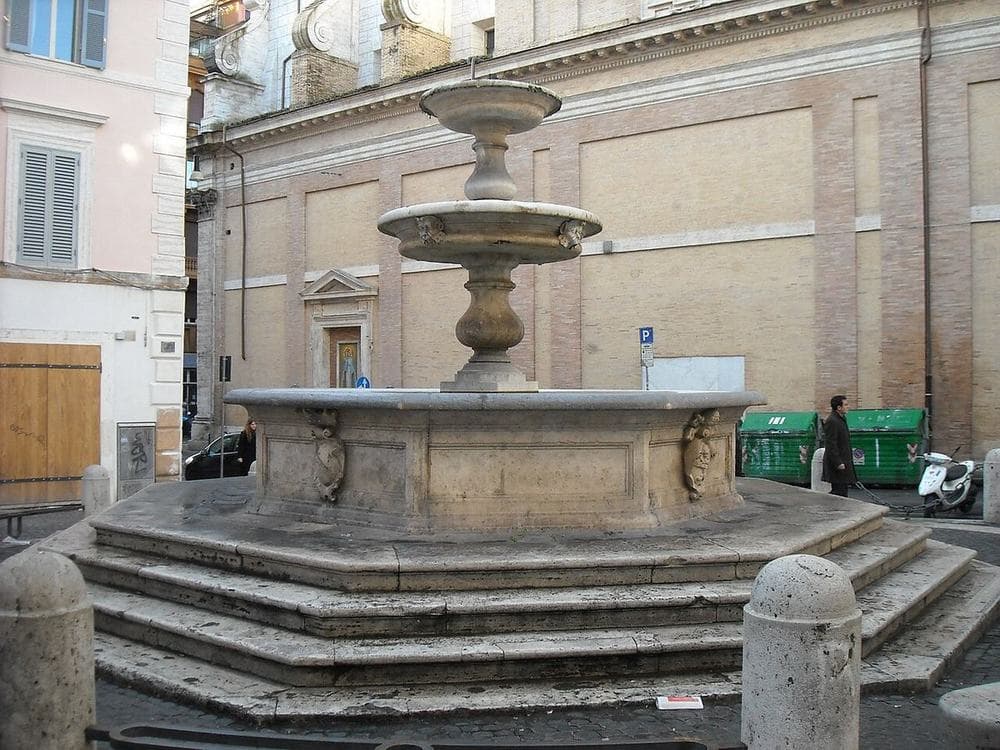
Testaccio is on the left bank, south of the centre. Turismo Roma calls it “the familiar and true soul of Rome”, with trattorias serving traditional Roman cooking and plenty of bars, and describes Piazza Testaccio as the heart of “the most ‘Roman’ neighbourhood in Rome”.
Best for trips built around food · returning visitors · anyone who’d like to stay where Romans live
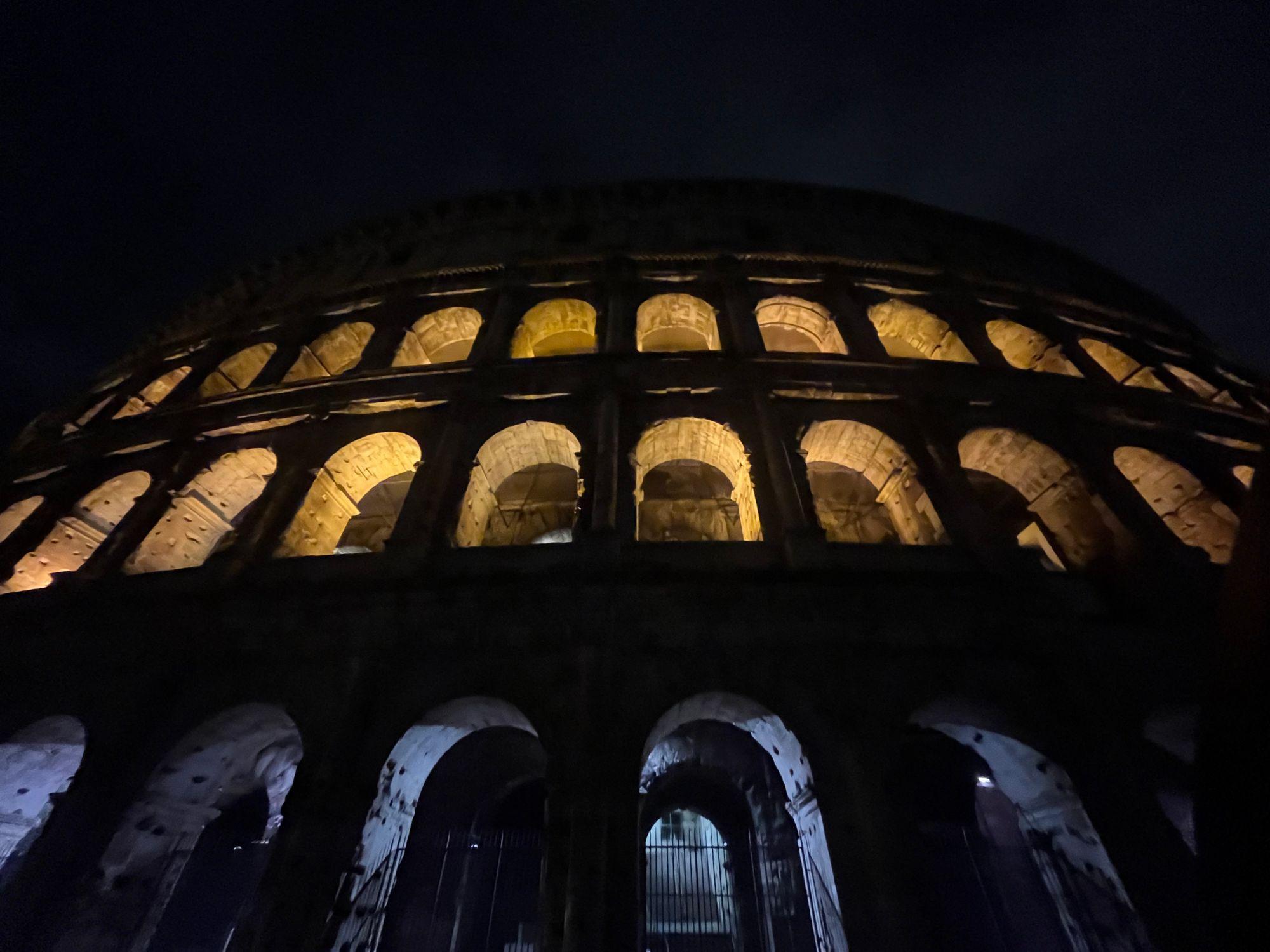
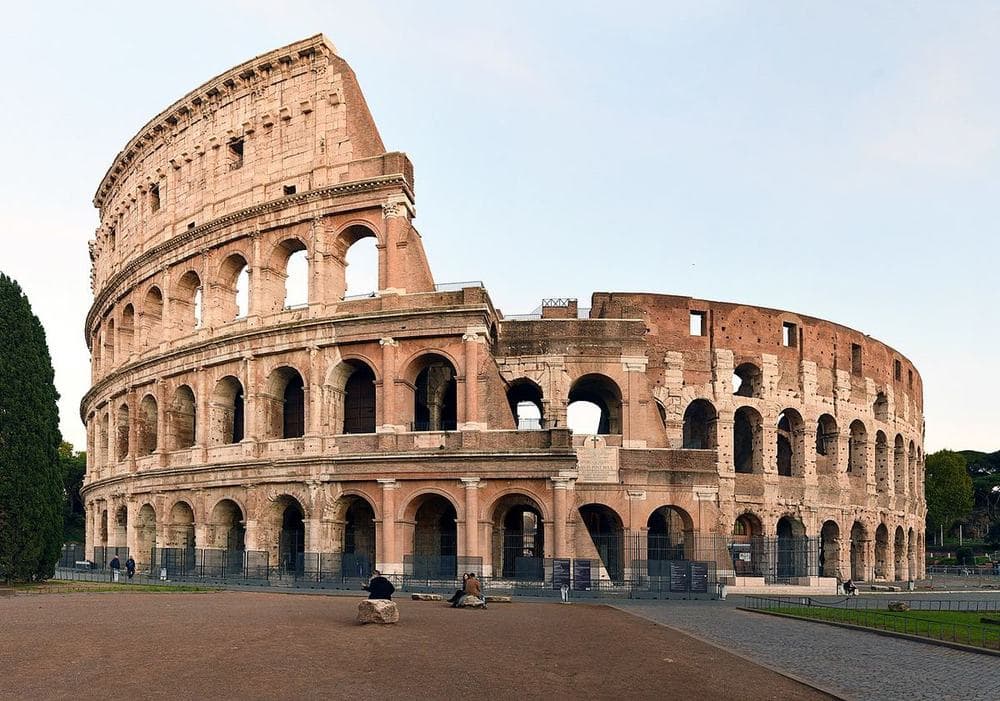
The Aventine, above the Circus Maximus, is “a residential and refined district” in Turismo Roma’s words, popular for walks for its “quiet beauty”. Next door, San Saba is “a sought-after residential area surrounded by greenery”. The station is Circo Massimo, on metro line B, on Viale Aventino. The Celio is the hill beside the Colosseum, and the Colosseum itself is inside the rione.
Best for light sleepers · returning visitors · a stay built around ancient Rome, with the Colosseum and the Circus Maximus close by
Citorah Picks
The places the guides rate highest, to stay, eat and do. No scores and no paid placement: why.
Citorah says The 24h ticket is the standard visit: the Colosseum from its first two levels, and the Forum and Palatine. Pay the extra €6 for a Full Experience ticket if you want to stand on the arena floor or go below it.
Citorah says The SUPER sites: frescoed houses and rooms on the Forum and Palatine, open from 09:30 until an hour before closing.
The catch The House of Livia has been closed for restoration since 24 August 2026, and the House of Augustus is closed on Mondays.
Find somewhere to stay
Searching Anywhere in Rome · any dates · 2 adults
Affiliate link: if you book through it, Citorah may earn a commission, at no extra cost to you. It never changes what the guides recommend. How Citorah is paid
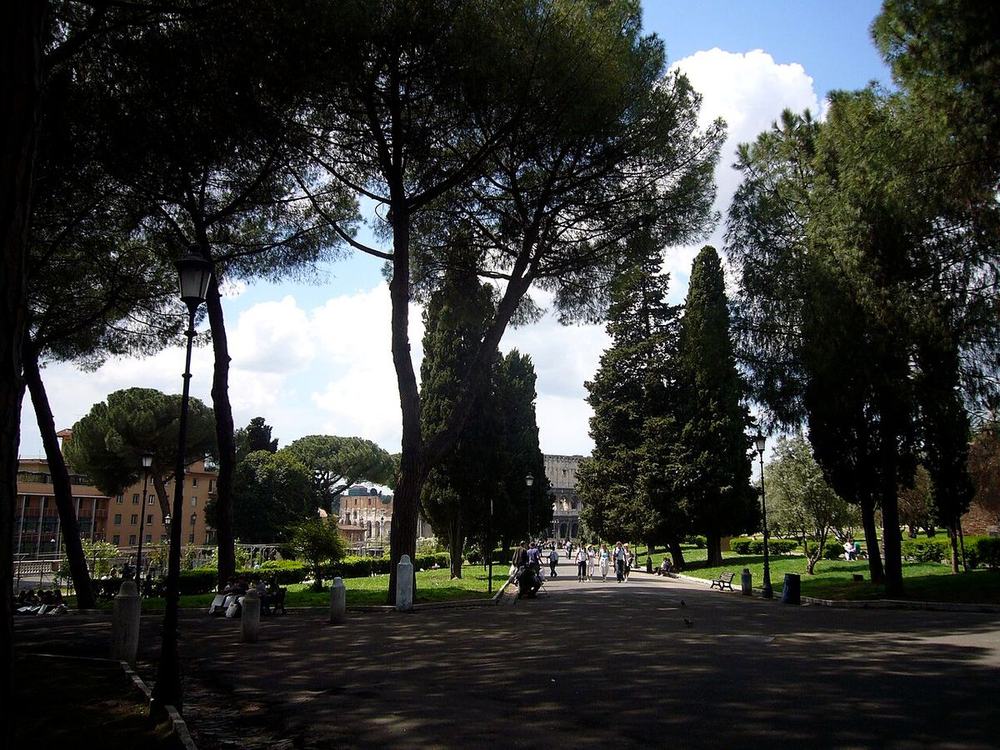
Citorah says Largo Gaetana Agnesi, which the city made pedestrian-only in 2018, is its “terrazza sul Colosseo”, a terrace whose belvedere looks straight onto the Colosseum and the Imperial Fora.
Citorah says The street from the Colosseum to Piazza Venezia is always closed to private cars. On Sundays, public holidays and the last Saturday of each month, its whole length is pedestrian. From it you look down into the Imperial Fora.
The catch New paving is being laid along it, so expect works.
Citorah says The old caves at the foot of Monte Testaccio are now restaurants and disco-pubs for young Romans.
Build a Rome trip
Start a trip, then add places as you go: somewhere to stay, two dinners, three things to do, a night out. It tells you what’s missing and opens the bookings with your dates.
A three-day Rome plan built on the route I took in November 2025: ancient Rome and an evening walk, the Vatican, then the Lateran and the old centre, with what to book, when things close and which days to avoid.
The Colosseum, Trajan’s Forum, the Tiber Island, Piazza Navona, the Pantheon and Trevi after dark, the Trevi ticket that stops at 22:00, what closes when, and getting back by night bus.
Where to base yourself in Rome: the Centro Storico, Monti, Trastevere, Prati by the Vatican, Esquilino by Termini, Testaccio, and the quieter Aventine and Celio, with the metro, trams and catch in each.
The €18 24-hour ticket against the €24 Full Experience tickets, named tickets and time slots, winter hours from 25 October, free first Sundays, and the Colosseum and Forum from the street.
Official Museum tickets at €25 that sell out weeks ahead, the free last Sunday, the dress code, no photos in the Sistine Chapel, free entry to St Peter’s, the €17 or €22 dome, and free audience tickets.
Both airports to the centre, the €55 and €40 fixed taxi fares, the metro now at the Colosseum, contactless fares that stop at €8.50 a day, night buses and the limited traffic zones.
When travel insurance is worth it, what UK policies cover and exclude, the alcohol and activity wording to check, and the firm behind each provider, from GOV.UK, the NHS and the insurers’ own documents.
Checked · 10 minResearch-led
Plan the trip
Some of these are affiliate links: if you book through them, Citorah may earn a commission, at no extra cost to you. It never changes what the guides recommend. How Citorah is paid