Where to stay in Centro Histórico

All of Málaga
  • Citorah PickHotel · Centro Histórico

    Palacio Solecio

    Citorah says A four-star in an 18th-century Andalusian palace on Calle Granada, in the old Jewish quarter (La Judería), opposite the Iglesia de Santiago and a few steps from the Picasso Museum and the cathedral. Its restaurant, Balausta, is run by the chef Sergio Solano. The Michelin Guide lists it.
  • Citorah PickHotel · Centro Histórico

    Vincci Larios Diez

    Citorah says A four-star on Calle Marqués de Larios itself, with a rooftop with views. Some of its rooms look onto Calle Larios. The Michelin Guide lists it too.

  • Citorah PickHotel · Centro Histórico

    Catalonia Molina Lario

    Citorah says A four-star in the historic centre, a step from Calle Larios. Its rooftop has an outdoor pool, a solarium and a bar, with views of the port and the cathedral, and it’s open all year round. Most of its junior suites look onto the cathedral from their balconies.

  • Citorah PickHotel · Centro Histórico

    Vincci Selección Posada del Patio

    Citorah says A five-star on Pasillo de Santa Isabel, which says it’s the only hotel with views of the city’s ancient Roman and Arab walls. The Michelin Guide, which lists it, notes glass panels in the lobby over the ruins of the old walls, and a rooftop with a plunge pool.

Where to eat in Centro Histórico

All of Málaga
  • Citorah PickRestaurant · Centro Histórico

    El Pimpi

    Citorah says Pepe Cobos and Paco Campos, two men from Córdoba, founded the bodega in 1971, in an 18th-century house built on an old Roman road. The menu is local and seasonal, El Pimpi says, and it names the huevo de toro tomato, jamón de castaña and sweet muscatel wine among it.

  • Citorah PickRestaurant · Centro Histórico

    Kaleja

    Citorah says Kaleja is the Sephardic word for “alley”, Michelin notes, and the restaurant is in Málaga’s old Jewish quarter, a few steps from the Picasso Museum. The chef, Dani Carnero, revives traditional Andalusian recipes, cooking slowly over hot coals in what the restaurant calls “candle cooking”.

  • Citorah PickCafé · Centro Histórico

    Casa Aranda

    Citorah says For breakfast, not tapas. It has served coffee, churros and chocolate in the centre since 1932: Antonio Aranda opened it on 2 February that year with his sister, Lolita, and the history on its site calls it a Málaga institution for breakfast and the afternoon merienda.

  • Citorah PickRestaurant · Centro Histórico

    Balausta

    Citorah says Its restaurant, Balausta, is run by the chef Sergio Solano.

Bars and nights out in Centro Histórico

All of Málaga
  • Citorah PickClub · Centro Histórico

    Sala Gold

    Citorah says Sala Gold opens 365 days a year, with a themed party every night, from Eras Monday to Pure Gold on Saturdays. It has five VIP areas with table and bottle service, plus LED ceilings, lasers and confetti cannons. Go for the spectacle.

    The catch Neither page gives opening hours, so check the night’s line-up before you go.

  • Citorah PickClub · Centro Histórico

    Theatro Club

    Citorah says Theatro Club is styled like a classic theatre, with a hydraulic stage, four large video walls and seven private boxes over the dance floor. Thursdays start with unplugged sessions, Fridays bring live tribute acts and then a DJ, and on Saturdays it runs until dawn.

    The catch Neither page gives opening hours, so check the night’s line-up before you go.

  • Citorah PickBar · Centro Histórico

    Antigua Casa de Guardia

    Citorah says José de la Guardia founded it in 1840, and it calls itself the oldest tavern in Málaga. It moved here in 1899, “temporarily”, it says, because of building works at Atarazanas, and it’s still here. The wines are served straight from the barrel, along a wooden counter where the waiters chalk up your bill.

  • Citorah PickBar · Centro Histórico

    La Tranca

    Citorah says A tasca, with traditional Spanish music from every era playing behind the conversation. Order the empanadas, tostas, cured cheese or one of its tortillas, with barrel vermouth or a cold caña. It serves from midday to night, and it takes no bookings.

  • Citorah PickBar · Centro Histórico

    Quitapenas Marín García

    Citorah says Bodegas Quitapenas has made wines under the Málaga and Sierras de Málaga denominations since 1880, and runs two taverns in the centre, for tapas and Málaga food: Quitapenas Marín García, at Calle Marín García 4, and Quitapenas Sánchez Pastor, at Calle Sánchez Pastor 2. Make it a glass of wine and a few tapas.

  • Citorah PickBar · Centro Histórico

    Quitapenas Sánchez Pastor

    Citorah says Bodegas Quitapenas has made wines under the Málaga and Sierras de Málaga denominations since 1880, and runs two taverns in the centre, for tapas and Málaga food: Quitapenas Marín García, at Calle Marín García 4, and Quitapenas Sánchez Pastor, at Calle Sánchez Pastor 2. Make it a glass of wine and a few tapas.

Things to do in Centro Histórico

All of Málaga
  • Citorah PickSight · Centro Histórico

    Alcazaba

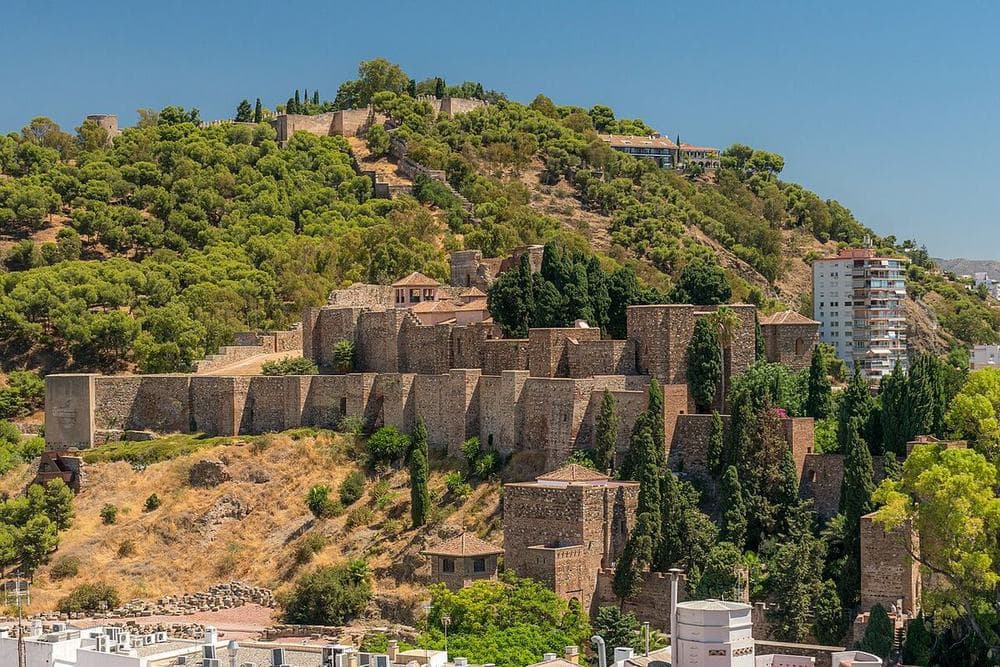
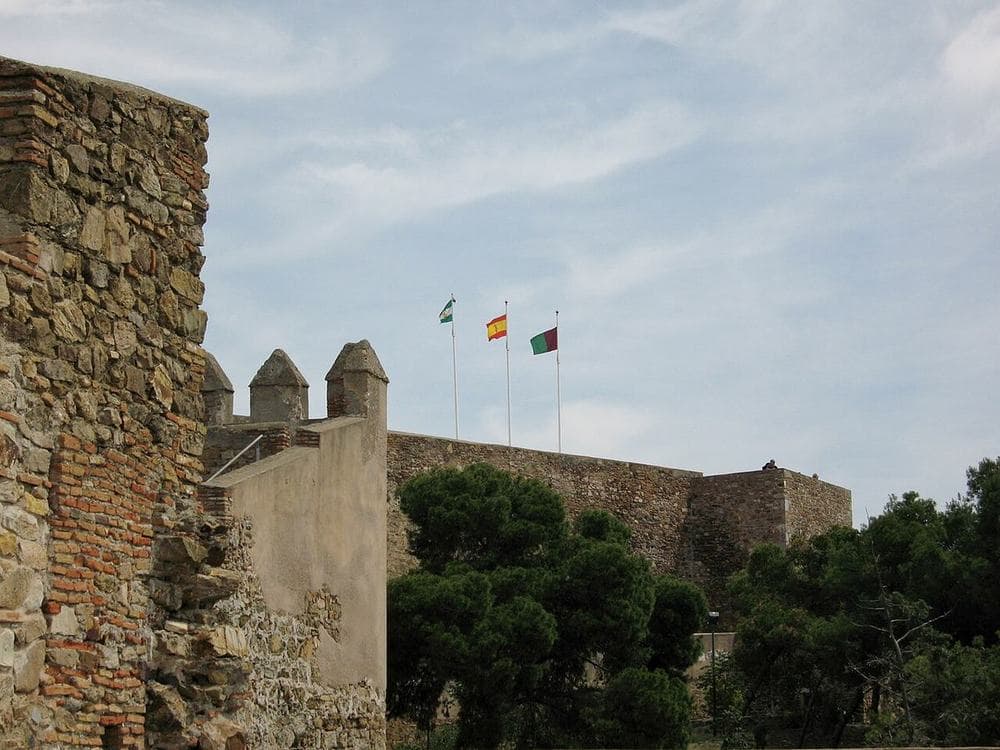
    Citorah says The Alcazaba is the Moorish fortress on the slope of Mount Gibralfaro, entered from Calle Alcazabilla 2. The city’s site for the monument says that under Islamic rule it grew from a fortification into “a palace-fortress, and the seat of the city government”, built as two fortresses, one inside the other. Restoration began in 1933. The route takes in the entrance gates, the lower and upper precincts and the Nasrid palace. Of everything in Málaga, it’s the sight to see first.

  • Citorah PickSight · Centro Histórico

    Castillo de Gibralfaro

    Citorah says The Castillo de Gibralfaro crowns the same hill, 132 metres above sea level. Yusuf I began the castle and the Coracha, the walled path down to the Alcazaba, in the 14th century. After the Christian conquest it was a barracks and prison until 1925, when it passed to the city. Its old gunpowder store holds an interpretation centre on its life as a garrison and watchtower from 1487 to 1925. The main reason to go up, though, is the wall-walk along the battlements.

  • Citorah PickSight · Centro Histórico

    Roman Theatre

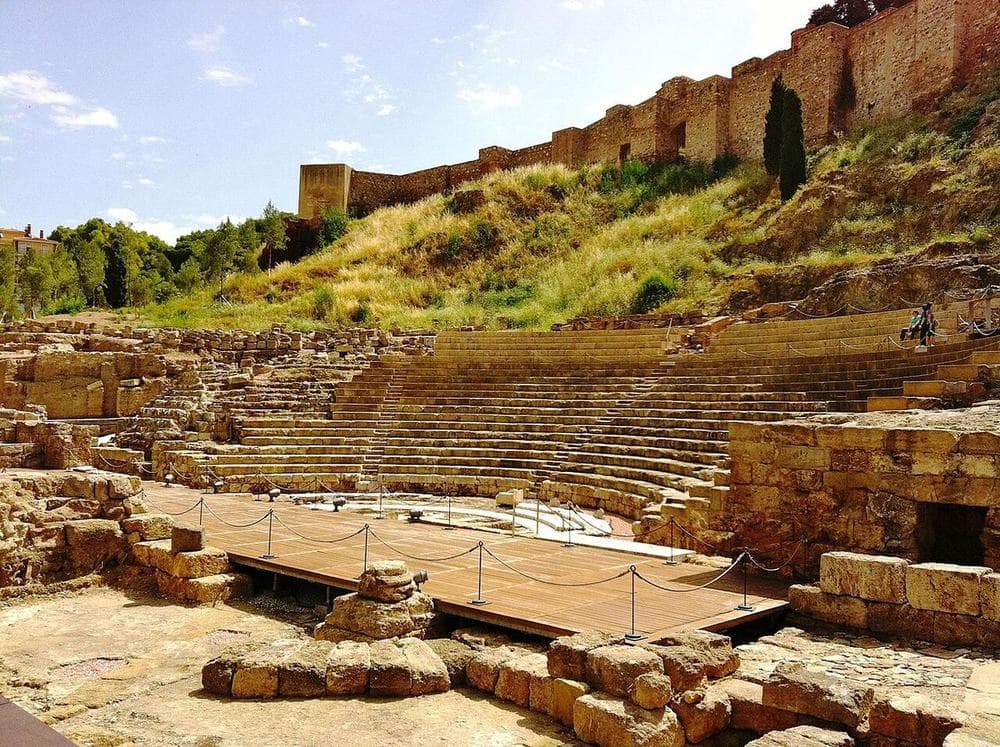
    Citorah says The Roman Theatre (Teatro Romano) sits below the Alcazaba at Calle Alcazabilla s/n. It was built in the early years of the 1st century AD, and lay hidden under streets and houses for centuries until gardening works in 1951 uncovered its vaulted entrance. Much of the seating, the marble-paved orchestra and the stage survive, and under the glass pyramid on Calle Alcazabilla are the vats where the fish-salting works that later took over the site made garum. The visit is the theatre plus an interpretation centre, and it costs nothing.

    The catch The site may close when the state weather agency issues an orange or red heat warning

  • Citorah PickSight · Centro Histórico

    Málaga Cathedral

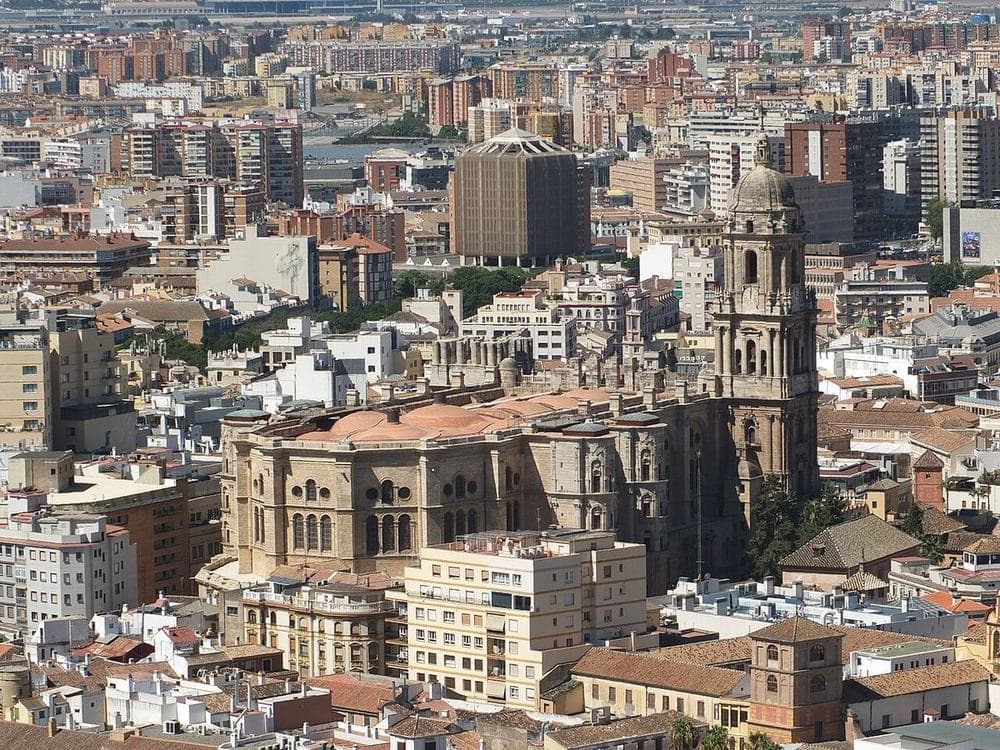
    Citorah says Málaga Cathedral (the Santa Iglesia Catedral Basílica de la Encarnación) is at Calle Molina Lario 9. It was built where the city’s main mosque stood, to a first design by Diego de Siloé. It opened for worship as it is today in 1768, with the towers still unfinished.

    The catch The rooftop is shut.

  • Citorah PickMuseum · Centro Histórico

    Museo del Vino de Málaga

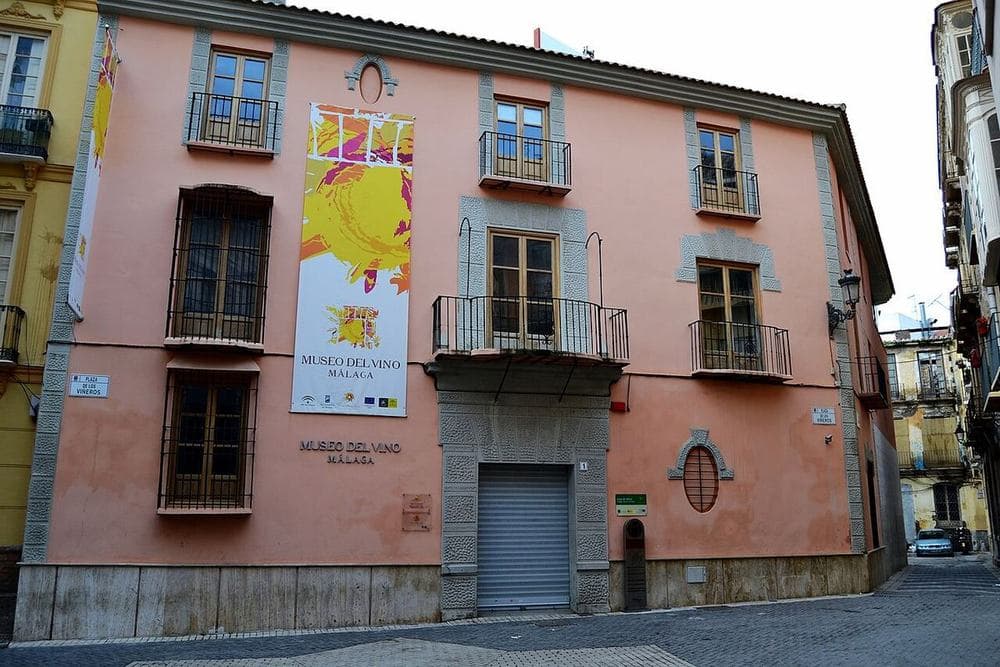
    Citorah says The regulatory council sends visitors here, to a museum of the province’s wine history and culture in the historic centre.

  • Citorah PickSight · Centro Histórico

    Calle Larios

    Citorah says Its best-known street is Calle Marqués de Larios, or simply Calle Larios, which starts by the port at Plaza de la Marina and is lined with shops.

Other neighbourhoods

All neighbourhoods
  • Neighbourhood · 6 places

    Soho

    It lies next to the port, bordered by the southern edge of the Alameda, the Heredia Wharf, Plaza de la Marina and the Guadalmedina river.

    Best for return visitors · art-minded trips · anyone who wants the centre without the crowds of Calle Larios

  • Neighbourhood · 6 places

    La Merced

    Above the old centre is Plaza de la Merced, which the Andalusian tourist board describes as the “site of the house in which the artistic genius Picasso was born”. Hotel Del Pintor calls the streets around it the “Barrio de Picasso”, steps from the Picasso Museum, the Roman Theatre and Alcazaba, and the Museo de Málaga in the Palacio de la Aduana. It’s the calmer edge of the centre, and its small hotels have more character for the money than most of the old town’s.

    Best for couples · returning visitors · anyone who wants the old town on foot without sleeping on its busiest streets

  • Neighbourhood · 10 places

    La Malagueta and the port

    This is the base for a beach holiday that still wants the city: the old town is a walk one way, the sand a walk the other.

    Best for beach-and-city trips · families · couples on a luxury break

  • Neighbourhood · 4 places

    María Zambrano

    The streets around the station are practical rather than pretty. Stay here if your trip runs on trains, or if you’re catching an early one at the end of it. Otherwise, sleep in the old town and walk in.

    Best for early trains · short stopovers · anyone moving on by rail

  • Neighbourhood · 7 places

    Pedregalejo and El Palo

    The Andalusian tourist board describes “the suburb of El Palo, with its typical fishermen’s houses, coves, promenades” and fried fish, in the east of the city. Hotel La Chancla calls neighbouring Pedregalejo Málaga’s traditional fishing quarter, and Hostal Moscatel sums it up as one of the city’s most popular beaches, with a seafront promenade and a great many restaurants and chiringuitos (beach bars).

    Best for beach-first trips · return visitors · longer stays

Plan the trip

Some of these are affiliate links: if you book through them, Citorah may earn a commission, at no extra cost to you. It never changes what the guides recommend. How Citorah is paid